Starting Out
Your first year: what to do, and what to skip
Where to put your hours when everything feels urgent: which habits earn their keep in year one, what can safely wait, and how to tell a revision pass from a manuscript you should set aside.
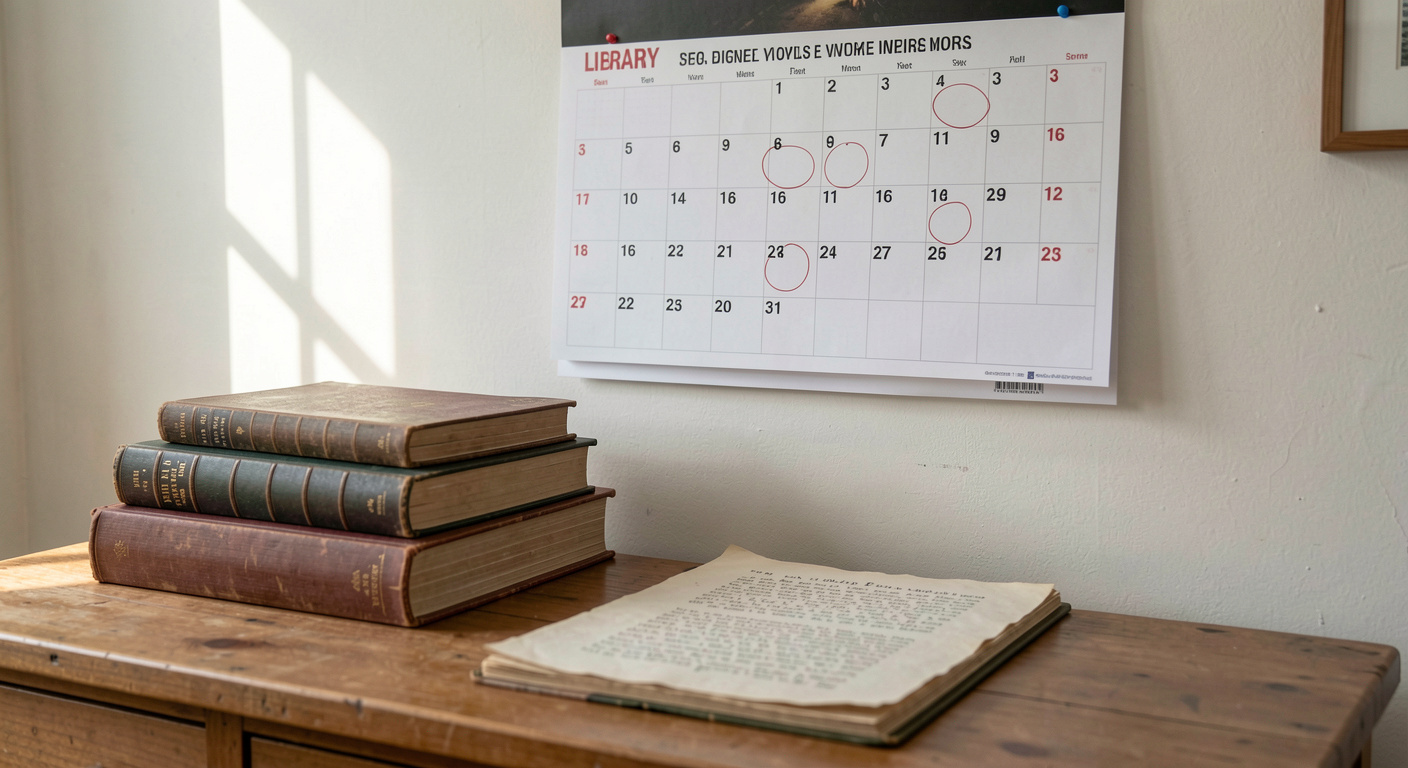
Your first year of making a children's book is mostly a question of what to spend your hours on. This guide walks through the moves that pay off early, the ones that can wait, and the one decision almost every beginner faces too soon: whether to keep revising or set a manuscript aside.
Start with the vocabulary, not the advice
Most craft advice assumes you already know what a revision pass is, what a dummy looks like, or what an agent actually does with your pages. If those words are still fuzzy, the advice slides right off you. Spend your first weeks collecting the working vocabulary of the field: read about how a revision pass works, about what a picture book dummy is, about the difference between an editor and an agent. Once the words are solid, the advice has somewhere to land.
Write the draft before you fix the draft
A common first-year mistake is polishing chapter one until it shines while chapters two through twenty do not exist. Revision works better when there is a whole thing to revise. Finishing a rough draft, even a rough one full of holes, gives you material to study. A craft essay on The Carolina Kidlit Review puts it plainly: one problem at a time, and only once there is a complete manuscript to work on. Every story starts out full of holes, and the holes are not a verdict on your talent. They are the raw state of the work.
Should you revise this manuscript or move on?
This question arrives early, and an editorial blog at kidlit.com addresses it directly in a piece on when to stop revising. The honest part first: nobody can predict which projects will sell, and the blogger says so outright, noting that even publishers do not have a secret formula. What she offers instead is a way to think. If you or a reader have spotted weaknesses, dig into the area that needs work: if the trouble is craft, read books on plot, character or voice; if the trouble is premise, look for ways to make it stand out. And take a hard look at everything at once, because in fiction one element informs the others, so untangling a single culprit is harder than it seems.
The hunch you keep avoiding is usually right
The same piece makes a point worth pinning above your desk: if you have a hunch something in your manuscript is not working, you are probably right. In her editorial experience, most of the issues she flags are things the writer already knew about but avoided fixing, either because the fix seemed complicated or because they did not know how. So your first year can include a simple exercise: write down the three things you suspect are broken. That list is your revision plan, and it costs nothing but honesty.
What does the drawer manuscript technique mean?
The kidlit.com essay offers one concrete tool for the moment you suspect a manuscript is beyond saving. It is called the drawer manuscript technique: set the project aside for three months, work on whatever new idea excites you, then give it one last read and decide. The three months matter, she insists, because revision fatigue can blind you. After the rest, you may find something worth developing, or you may confirm the manuscript belongs in the drawer. Either way you have given it a fair last look instead of quitting in frustration. And even a manuscript that stays in the drawer teaches you something: the essay argues that every revision effort is worth it, because every writer has things to learn, and those lessons carry into the next idea and the one after that.
Find readers who know what they are talking about
Feedback speeds everything up, but only qualified feedback. Not everyone with an opinion about writing knows what they are doing, so seek out readers you trust. A critique group is the standard answer here, and your first year is a good time to find or start one. Alongside the group, keep reading about craft: books on plotting, character and voice do for your instincts what feedback does for your blind spots. The two work together, and both are cheaper than months spent guessing.
Timing your submissions can wait
Beginners often rush to submit, but your first year is rarely the year of the query letter. When the time comes, timing has its own logic, and kidlit.com covers it in a separate essay on submission timing. The short version: the stretch from Thanksgiving through New Year's is a no-go zone, when agents and publishers are on vacation or catching up on the year's slush, and most agents will not even go out with client projects after November 1st. August is traditionally slow too, and the big trade shows, including the children's book fair in Bologna in March, pull publishing people out of the office. Until you have a polished manuscript, none of this calendar matters to you, which is exactly why it can wait.
Use the waiting seasons well
That same timing essay suggests three ways to spend slow periods, and they double as a first-year curriculum. Plan the future: line up your next project so your creative wheels keep turning. Revise: you can always do another polish pass, and the strongest possible manuscript is what you want going out. Read: work through your pile inside and outside your category, because reading is how you gather information about craft and the market. Notice that none of these require money, a membership, or permission from anyone.
Your first calendar entry
Here is one thing you can do this week, drawn straight from the material above. Pick the manuscript you have been half-revising and half-doubting, and decide its status out loud: revise, or drawer. If you revise, name the one area that needs work, craft or premise, and get a book or a trusted reader aimed at it. If you drawer it, write today's date on the last page, set it aside for three months, and start the new idea that is already tugging at you. One decision, made on purpose, is a full month of first-year progress.
Two newer pieces cover the year's later problems: the irregular income on the money habits a working author needs, and a walking week on the cheap fieldwork a first book can use.
About kidlit.com
kidlit.com is an editorial blog attached to freelance editorial services for children's book writers. Its essays cover revision questions, such as when to stop revising and how the drawer manuscript technique works, and practical submission topics like the timing of queries. The tone is direct, experience-based, and open about the limits of prediction in publishing.