Section 05 · The Carolinas
Childrens books in North and South Carolina
The regional landscape for childrens writers and illustrators in the Carolinas: who organises what, where books are sold and how it fits together.
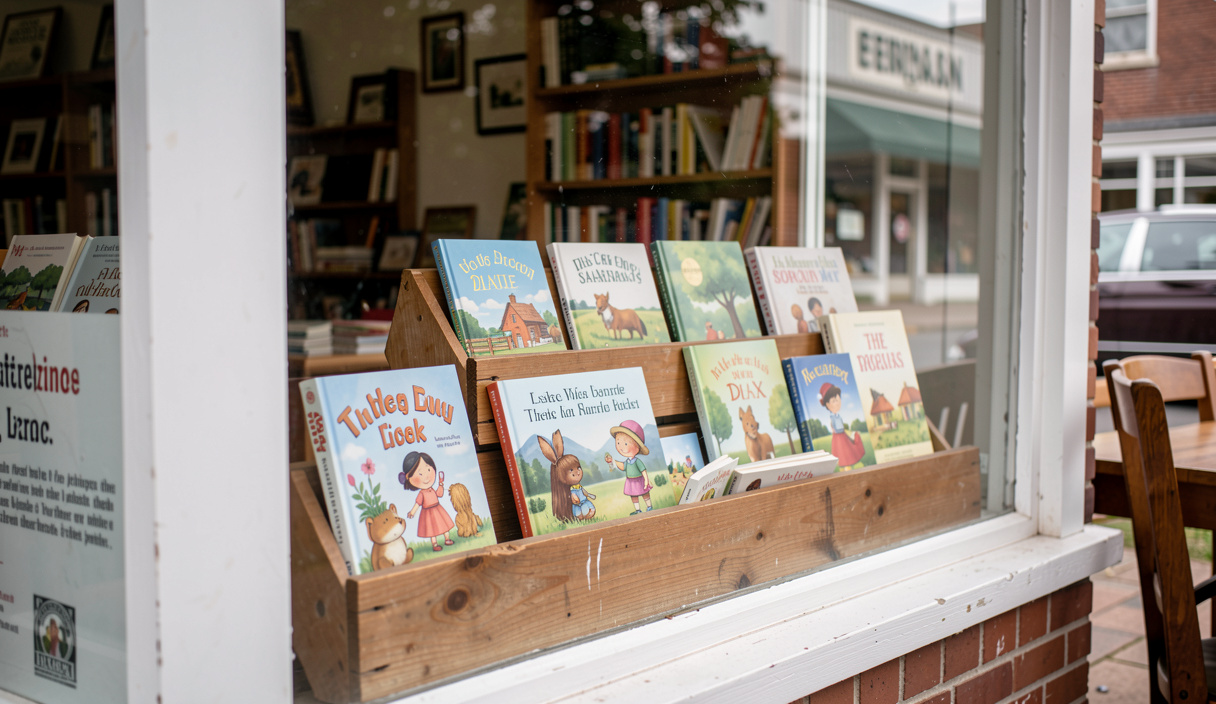
Making a children's book in North or South Carolina puts you in a specific place at a specific time, and both things shape the work more than most beginners expect. This piece looks at how the field organises itself in the two states, how the volunteer structure behind a regional chapter works, and where the independent bookstores that sell children's books fit into the picture.
A regional chapter, run by volunteers
The Society of Children's Book Writers and Illustrators, or SCBWI, is a large professional body that describes its mission as providing resources, professional networking and community-building opportunities for writers, illustrators and translators throughout their careers. It is not based in the Carolinas and does not belong to the Carolinas. Its regional arm for the two states, SCBWI Carolinas, describes itself as offering professional development and community for the children's book writers, illustrators and translators of North and South Carolina.
One structural point is worth fixing in your head early, because it explains why regional chapters feel the way they do. According to the SCBWI page on its global regions, every region is run by dedicated volunteer leaders who coordinate communications and activities so that members can enjoy the benefits of a creative community. Volunteers, not staff. A body of that shape moves at the speed of the people who give it their evenings, which is worth knowing before you form expectations about how quickly anything regional happens.
That distinction between a national body and its regional arms is not a detail of vocabulary. The national organisation writes the mission, publishes the general material and keeps the structure standing; the region is a set of people in your two states who do the local part of it. Anyone reading about the field will meet both words, often in the same sentence, and mistaking one for the other is the commonest reason beginners misread what they are looking at. Our separate explainer on how a regional chapter works takes that model apart in more detail.
What a chapter is not, as a matter of structure
A regional chapter is not a publisher, not an agency and not a gatekeeper to either. It does not acquire manuscripts, does not represent authors and does not stand between a writer and a submission. Understanding that early saves a beginner a good deal of misplaced hope: the parts of this trade that decide whether a book is bought sit with editors and agents, and no regional structure changes that arithmetic. What a chapter can do is put people who make children's books in the same room as other people who make children's books, which is a different good and a real one.
This magazine reports on that landscape from outside it. It reads the published pages of the organisations in the field, describes what they say in the third person, and dates every claim so a reader can judge how current it is. Where a page publishes no figure, this Review says the figure is not published rather than supplying a plausible one.
A state pair is not the only frame for this work. The North State in California offers a comparable case: an arts school at CSU, Chico once ran a public portal with season calendars, press releases and season posters, and its archive still shows how a regional season is built, with symphony concerts played twice, in Chico and Redding, plus theatre, choirs and print exhibitions. That portal stopped publishing in 2018 and its paths now return 404, while the university and its museum remain active. The archived arts and culture calendar for the North State is therefore a historical record, not a live listing.
Who else serves the same books?
A regional chapter is one pillar of the children's book world in a state pair like this, but it is not the only organization with a stake in the shelves. The American Booksellers Association, or ABA, is a national trade association that supports and advocates for independent bookstores, providing members with education, networking, advocacy, resources and technology. The ABA says it supports over 3,200 independent bookstores, is governed by a volunteer board elected by the membership, and is currently celebrating its 126th anniversary. Its members, the association notes, support local schools through book fairs, donations and author visits, and promote literacy.
Why should a first-time author or illustrator in Greenville or Durham care? Because the stores the ABA serves are the stores that host launches, stock local titles and put picture books face-out. If you want to understand that side of the ecosystem, read our guide to independent bookshops in the Carolinas; the two kinds of organization rarely overlap directly, but the same books pass through both worlds.
What the published pages leave out?
Honesty about gaps is part of this Review's job. The pages read for this piece publish no membership figures, no schedule of regular meetings and no list of current regional leaders, and this magazine will not guess at any of them. That silence is ordinary rather than suspicious: official pages are written for the procedure, not for the curious outsider, and a magazine that fills their gaps with plausible numbers stops being worth reading.
The practical consequence for a reader is simple. Anything that changes, and in this field that means dates, people and prices, belongs to the body that publishes it and is only accurate at its own source. Anything that holds still, and that means how the work is made, what a dummy is, what a revision pass changes, what an agent does, is what this magazine is for.
Two newer pieces cover the events side of the same landscape: the school activity calendar on when a visit can be booked, and a film night for young readers on the screening-and-discussion program a bookshop or library can run.
In this suite
-
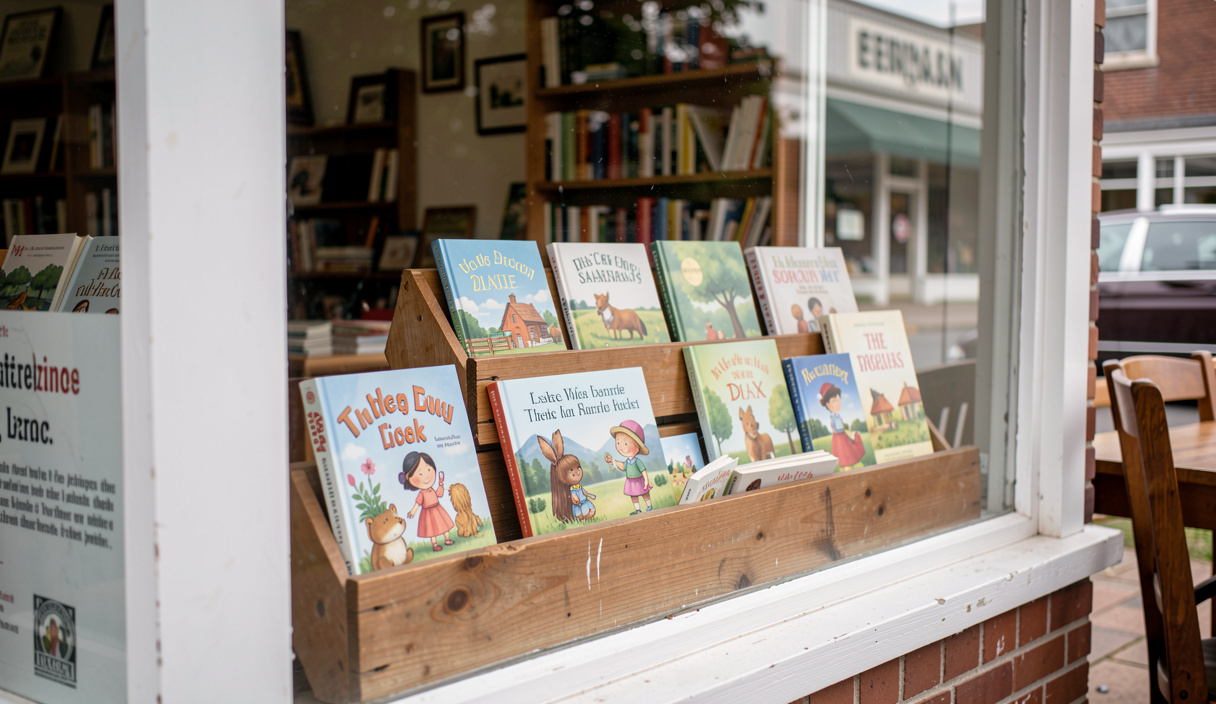
Bookjoy in the Carolinas: a bilingual read aloud day
Día is the annual celebration of children, books and cultures held on April 30, known in full as El día de los niños / El día de los libros: Children's Day / Book Day.
-
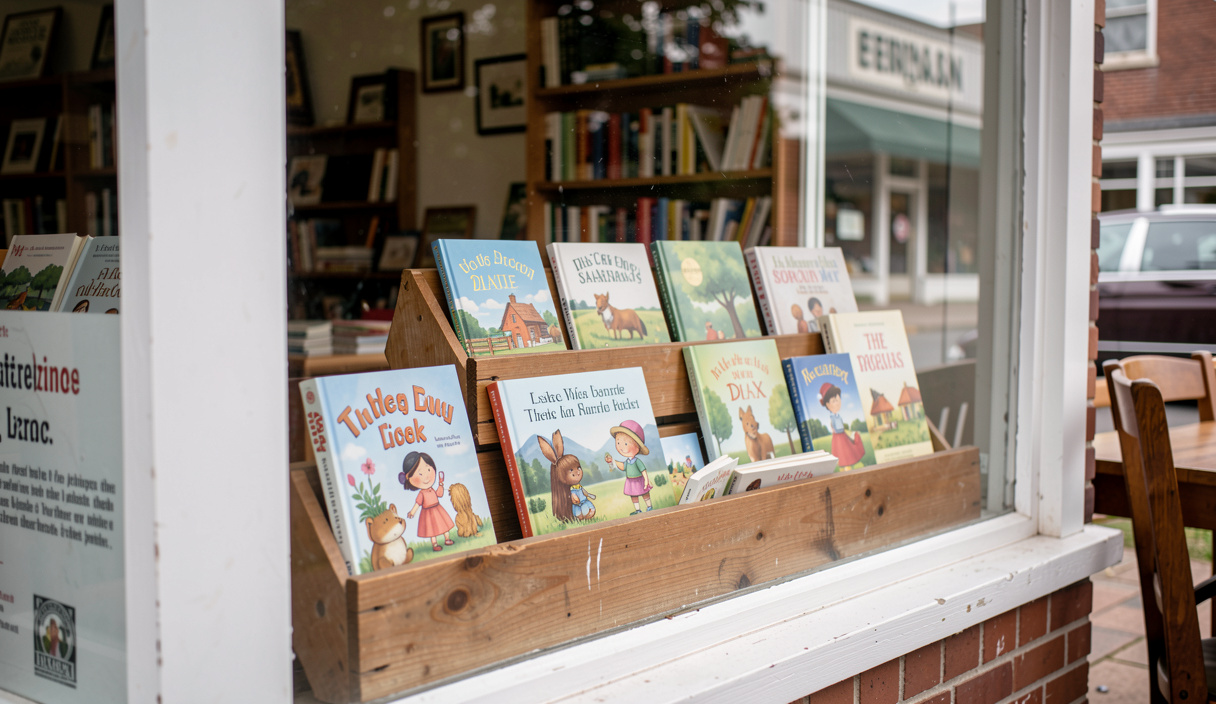
The church library shelf: children's books outside bookshops
A congregation's library shelf is a small, self-selecting market: a few dozen titles, chosen by volunteers, read by children who arrive on Sunday morning and leave with a book.
-
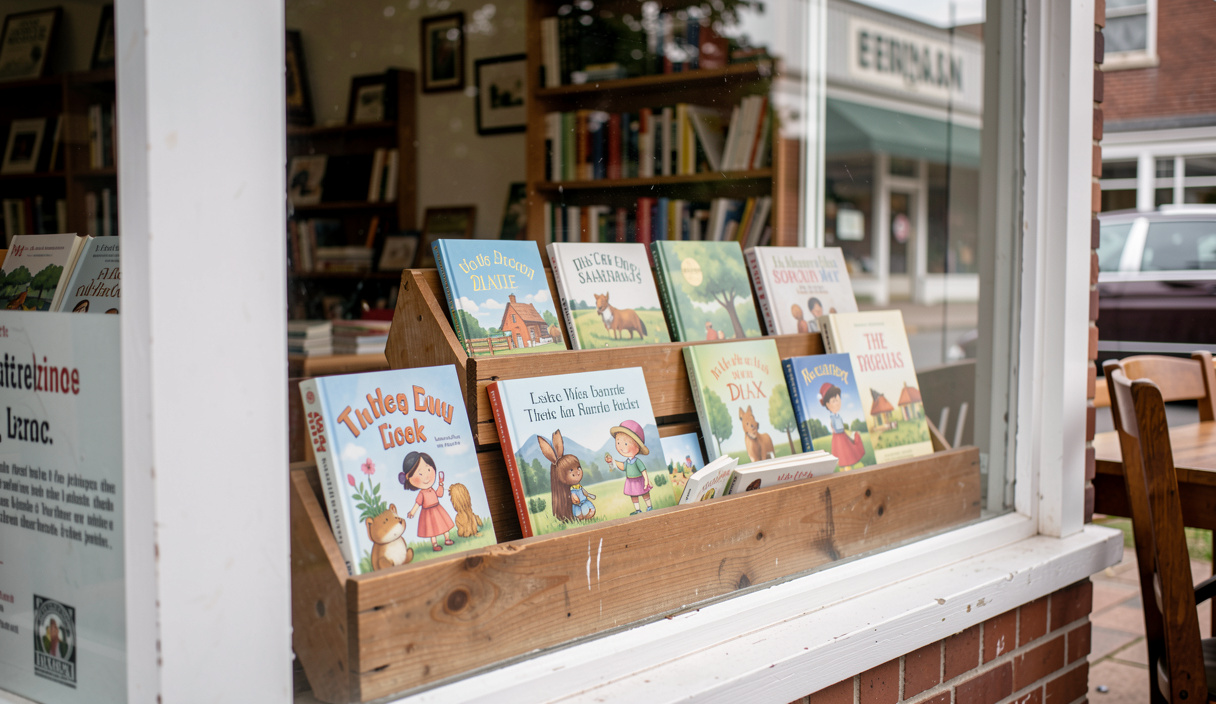
Running a kids drawing and story workshop
A drawing and story workshop for children works best when the session is built around one small finished thing: a character, a place, or a four-panel scene that each child can hold up at the end.
-
A childrens authors map of the school activity calendar
A school visit succeeds or fails on the calendar before it succeeds in the gym. Here is the rhythm of the American school year, and how a visiting author picks a date the building can actually hold.
-
From page to screen: a film night for young readers
A screening night around a book adaptation teaches young readers what film keeps, what it leaves out and why. Here is how a Carolinas bookshop or library can run one well.
-
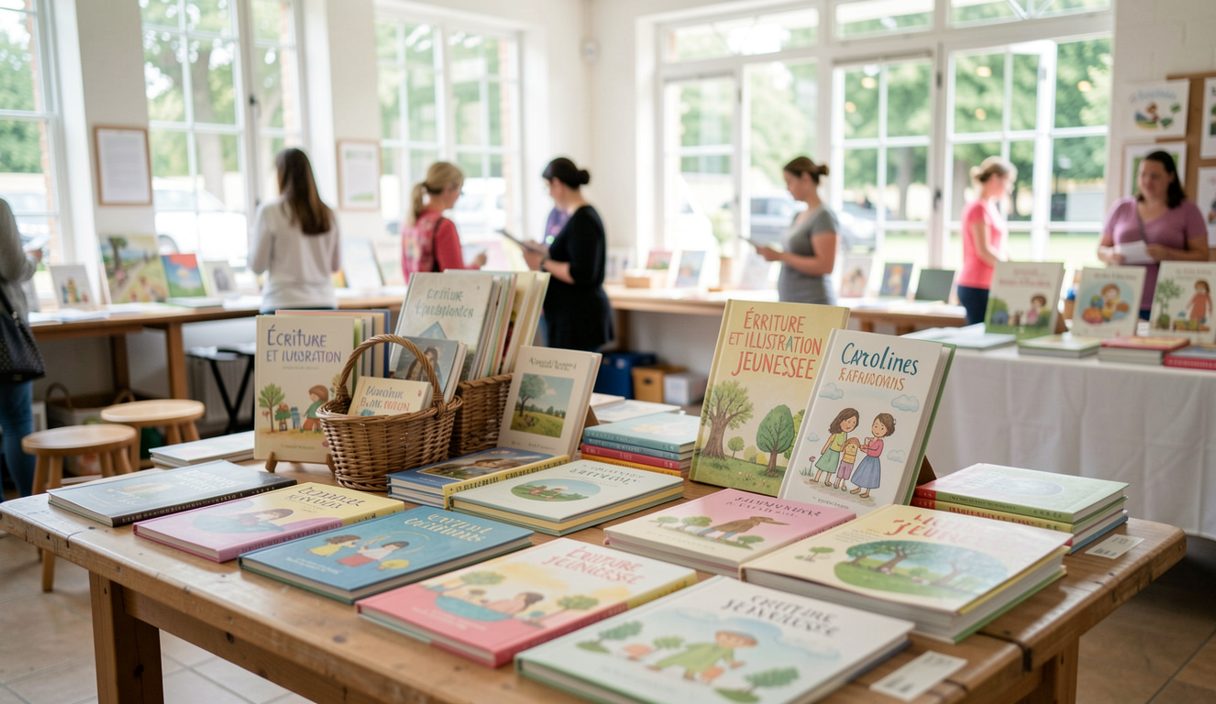
A handwork table at a childrens book event
The signing queue is where a childrens book event goes loud and impatient. A small handwork table beside it gives children something real to do, and gives the author a crowd that leaves calm.
-
How a regional childrens writing chapter works
SCBWI Carolinas serves writers, illustrators, and translators of children's books in both North and South Carolina, run by volunteers who coordinate communications, activities, and events for the regional creative community.
-
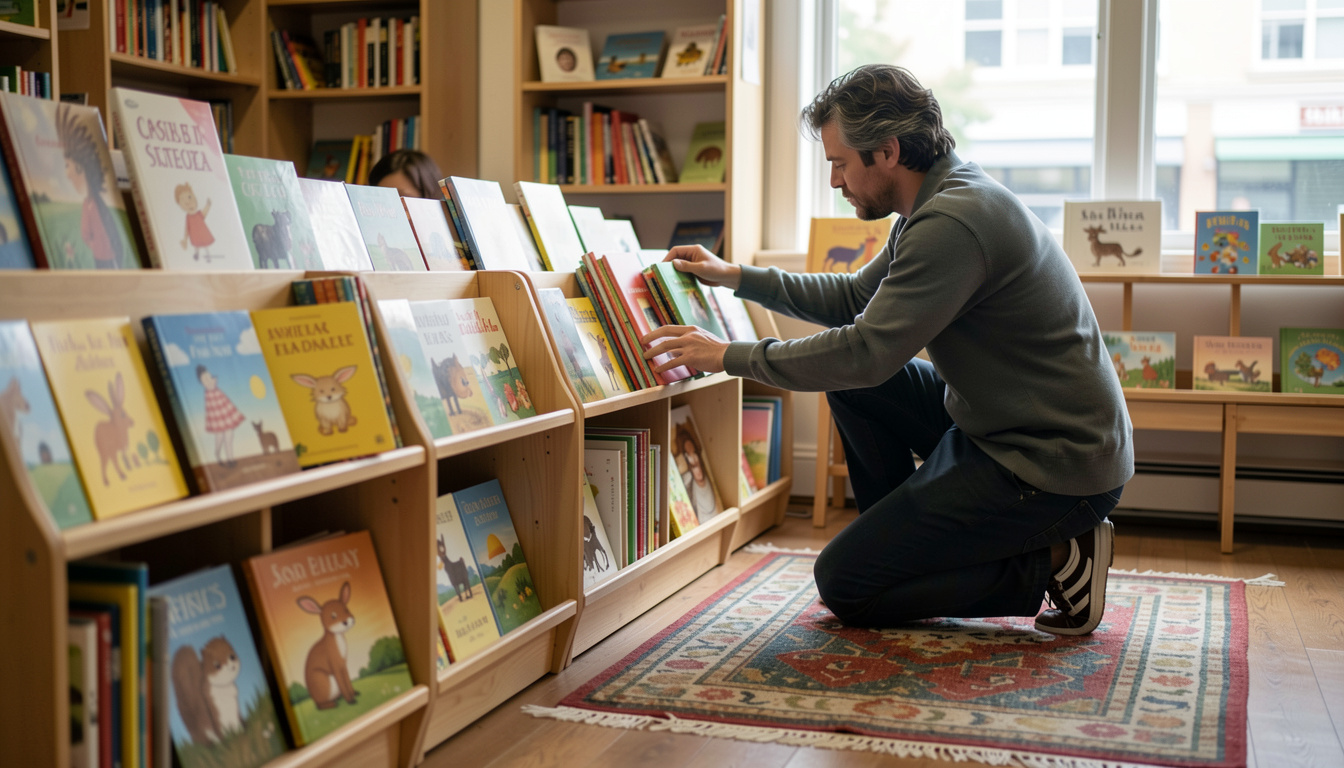
Independent bookshops and the childrens shelf
A national association stands behind the independent bookshop with the train table in the corner, and its work touches the children's book you are still trying to finish.
Every guide in this suite reads against the Critique Groups arithmetic, and two neighbouring suites extend it: Craft & Revision and Illustration.