The Carolinas
Bookjoy in the Carolinas: a bilingual read aloud day
Día is the annual celebration of children, books and cultures held on April 30, known in full as El día de los niños / El día de los libros: Children's Day / Book Day.
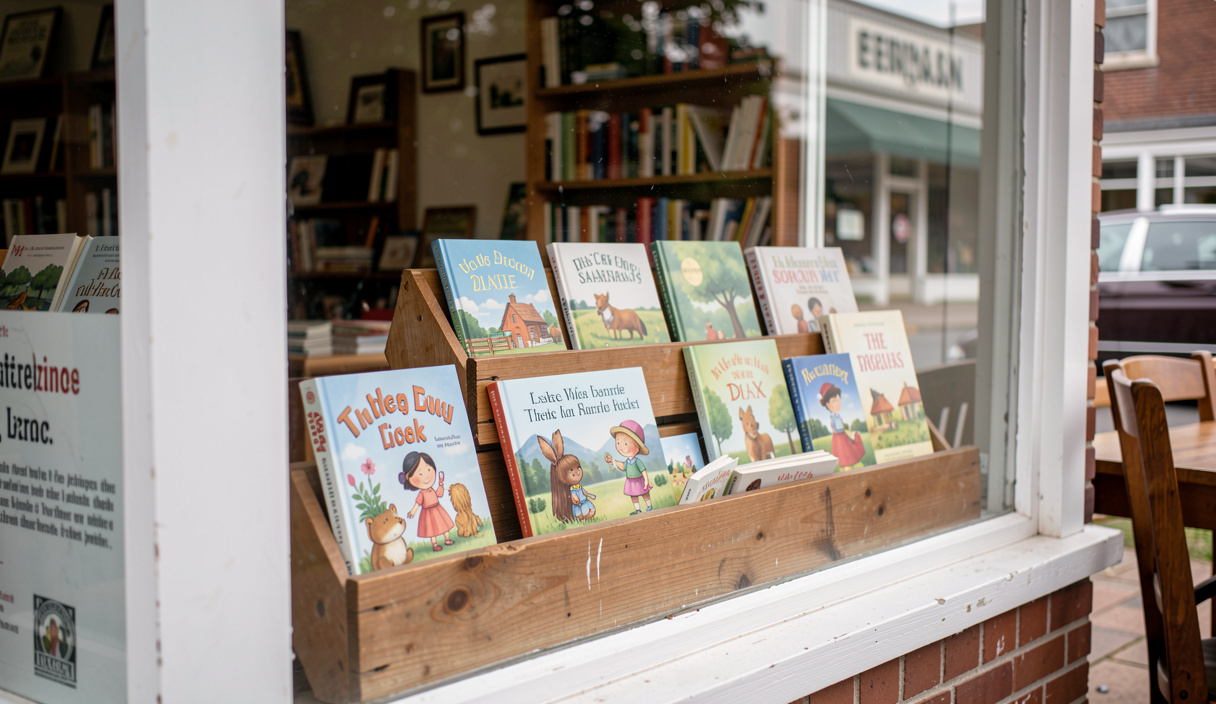
Día is the annual celebration of children, books and cultures held on April 30, known in full as El día de los niños / El día de los libros: Children's Day / Book Day. Libraries in the Carolinas mark it because the date pairs two things that belong together, a child and a book, and because it gives a bilingual family a reason to read aloud in both languages on the same afternoon. The celebration is not a single national event but a frame that each library, school or community room fills with its own story time, its own book table and its own guest.
What is Día and why do libraries celebrate children and books on April 30?
Día is a literacy celebration, not a holiday with a fixed program. Its purpose is to link every child to books, languages and family reading, and April 30 is the date it has used since the idea took shape in the United States. A library that holds a Día event is doing something narrow and practical: it is inviting children and the adults who read with them into the same room, putting books in more than one language on the table, and treating the home language as an asset rather than a barrier.
The date itself is not arbitrary. Children's Day had been marked in Mexico on April 30 since 1925, and the book half of the name was added later, in the United States, by people who wanted the day to carry stories as well as children. For a library in North Carolina or South Carolina, that history is useful in a grant application or a school newsletter: the celebration has a documented origin, a fixed date and a stated purpose, and it can be described in a paragraph without overselling it. The Bookjoy Journal covers that history and the programs built around it, including how the date is explained to families who have never heard the term Día before.
Who started El día de los niños / El día de los libros and how did it spread since 1997?
The author Pat Mora proposed pairing children with books under the Día name in 1996, and the first celebrations followed in 1997. The American Library Association took on national sponsorship, which gave the celebration a structure that individual libraries could join without inventing everything from scratch. REFORMA, the association of librarians serving Latino and Spanish-speaking communities, is part of that same institutional story.
What spread after 1997 was less a campaign than a habit. Libraries, schools and museums began marking the day in their own way, and the shape of the event stayed local: a story time here, a bilingual book display there, a craft table, a partner organization with a table in the hallway. That is why two Día events in the same county can look nothing alike and both be correct. The national sponsorship supplies the name, the date and the emphasis on family reading; the library supplies the room, the books and the people.
For a Carolinas librarian planning a first event, the useful lesson from that history is that nobody has to reproduce a national program. A Día event can be one read aloud, one bilingual book table and one invitation sent home in two languages.
How is Children's Day celebrated in Mexico on April 30 and what does it mean for families?
In Mexico, April 30 has been Children's Day since 1925, and schools mark it with assemblies, games and treats rather than with a book program. The book half of the celebration is the part added in the United States, which is why the full name carries both ideas and why the two traditions can sit side by side on the same date without competing.
For a bilingual family in the Carolinas, that double origin is the practical part. A parent can explain to a child that April 30 is a day for children in Mexico and a day for children and books here, and the child gets both meanings at once. The read aloud itself does not need a theme. A picture book in Spanish, then the same book in English, or a bilingual edition read straight through, does the work the day was designed to do: it keeps two languages in the same room and gives the adult a reason to use both.
What does a visiting author or illustrator actually do at a Día event?
A visiting author or illustrator is usually asked for less performance and more conversation than a school assembly implies. The common requests are a short reading from a published book, a look at how a page or a picture was made, and questions from children. A picture book dummy, the rough mock-up that shows how text and images share a page, is often the most useful object to bring, because it turns an abstract idea about making books into something a child can hold.
What the organizer should settle in advance, in writing:
- The length of the visit and the number of sessions, since three short groups tire a guest faster than one long one.
- Whether the guest reads in English, Spanish or both, and whether a translator will be present.
- The age range in the room, because a read aloud for toddlers and a talk for fifth graders are different jobs.
- Whether books will be sold or signed, and who handles that table.
- The fee, travel and any materials the guest needs, agreed before the date is announced.
What the guest should not be asked to do: run the whole event, supervise children, or fill a gap left by a missing staff member. A visiting author is a guest, not a program. The library or school still owns the room, the schedule and the behavior.
How do you plan a bilingual read aloud day on a small budget?
Start with the read aloud and build outward. Pick two or three titles, at least one in a bilingual edition, and decide who reads each one. A staff member, a parent volunteer and a guest can each take one, which spreads the work and puts more than one voice and accent in front of the children.
Then decide what else the room needs. A table of books families can borrow or take home matters more than decorations. A simple craft, a paper flower, a bookmark, a drawing prompt, gives children something to do while adults browse the book table. A partner organization, a public library branch, a dual-language program, a community group, can supply volunteers and reach families the school does not.
Announce the event in both languages, in the school newsletter, on the library calendar and in a flyer sent home. Name the date, the time, the ages and whether a parent must stay. If food is involved, keep it simple and check the school's rules first. None of this requires a large budget; it requires decisions made early enough to be communicated.
What should a family do at home on April 30?
Read aloud, in whatever languages the household uses, and let the child choose the book. Fifteen minutes is enough. If the family reads in two languages, read the same book twice, once in each, or read a bilingual edition and let the child follow either line. The point is not a lesson in either language but the habit of hearing both.
Keep the day visible. A book left on the table, a library card in a bag, a note about what was read, all carry the celebration past April 30. Families who want to go further can look for Día events at their public library, ask a teacher whether the school marks the day, or borrow a stack of multicultural picture books and keep them in the house through the summer. The celebration is annual, but the reading it is meant to start is not.
About the source
The external reference checked for this guide is ala.org/alsc/initiatives/dia, txla.org, colorincolorado.org.