The Carolinas
How a regional childrens writing chapter works
SCBWI Carolinas serves writers, illustrators, and translators of children's books in both North and South Carolina, run by volunteers who coordinate communications, activities, and events for the regional creative community.
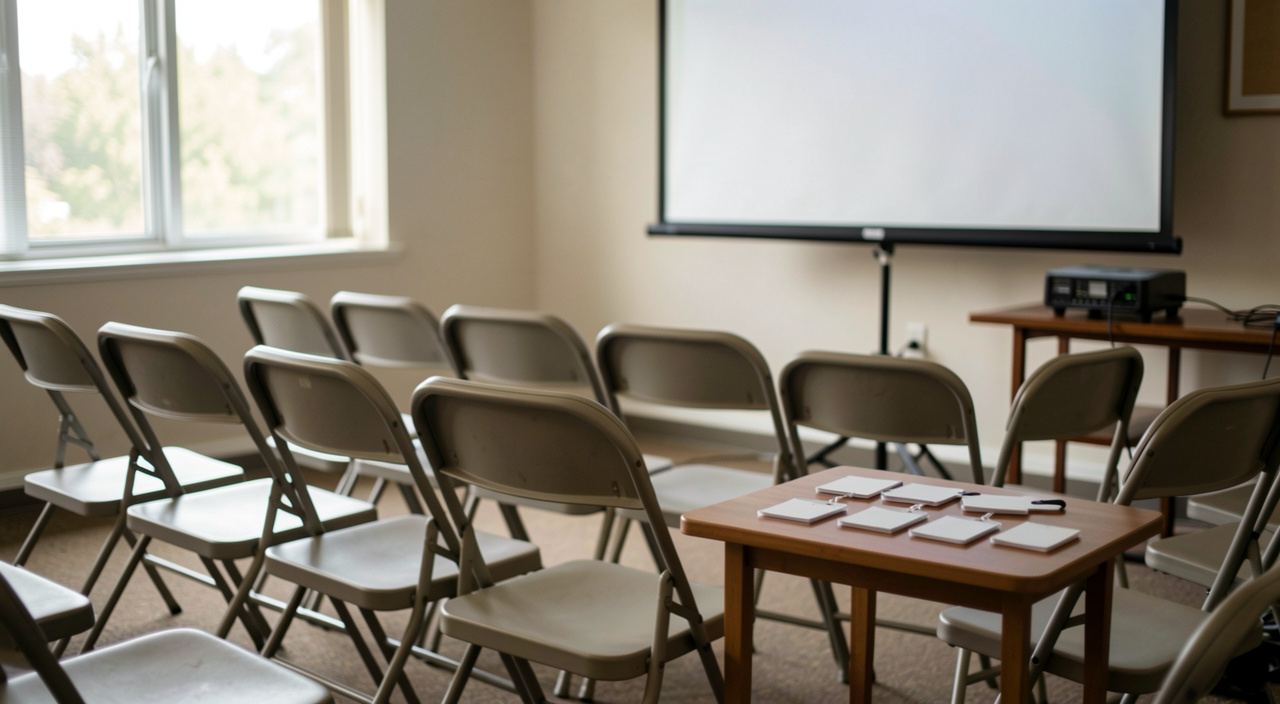
The Society of Children's Book Writers and Illustrators, usually shortened to SCBWI, organizes its members into regional chapters, and the two Carolinas share one of them. According to the organization's own page for the region, SCBWI Carolinas offers professional development opportunities and community for writers, illustrators, and translators of children's books in North and South Carolina. If you have been drafting a picture book in Greenville or sketching characters in Durham and wondering what a regional chapter even is, this piece walks through the model, what the published pages say, and where the published detail stops.
What a regional chapter actually is
On scbwi.org, the regions page explains the structure plainly: SCBWI regions are run by volunteer leaders who coordinate communications, activities, and events so members can enjoy the benefits of belonging to a creative community. There is no layer of mystery here. A chapter is a group of volunteers, in your state or in this case your two states, who keep a local structure alive so that people who make children's books can find each other without cold-emailing strangers.
Two consequences follow from the word volunteer, and both are worth absorbing before you form any expectation. The first is pace: what a volunteer structure does, it does in the time left over from the work its people are paid for. The second is variation: two regions of the same organization can feel entirely different, because the character of a region is the character of whoever is currently carrying it. Neither fact is published on any page, and neither is a criticism. It is simply what a volunteer body is.
Who does the Carolinas chapter serve?
The region page names three kinds of maker: writers, illustrators, and translators. That third group is easy to overlook. If you translate children's books into English or out of it, you are inside the chapter's stated scope, which matters because so much advice for beginners silently assumes you are writing in one language for one market.
The page does not break down how many members fall into each group; it does not publish membership numbers at all, so treat any figure you see elsewhere with care. It does not list dues or tiers either. A reader who wants that kind of detail has to go to the organization that publishes it, and should trust nothing about it that carries no date.
National body, regional arm: why the distinction matters
Most confusion about chapters comes from collapsing two different things into one. The national organization writes the mission, holds the structure together and publishes the general material. A region is the local arm of that structure, and what it looks like on the ground depends on the people who volunteer for it. When a beginner says "I heard the organization does X", the useful next question is always which of the two is meant, because the answer changes what is being claimed.
The same distinction explains why a regional page is thin where a national page is thick, and vice versa. General material about the field is written once, centrally. Local material is written by people doing it in their own evenings, in two states, alongside their own manuscripts. Reading either page as if it were the other is the commonest way to misjudge what is on offer.
What a directory of working people is good for
Regional pages in this field commonly carry a listing of authors and illustrators working in the area. For a beginner, a listing like that is worth reading for a reason that has nothing to do with hiring anyone: it is a map of who is already working in your own two states, and of how people at that stage describe themselves in public. Reading twenty such entries teaches more about professional self-presentation than any guide to it, including this one.
That is a different kind of resource from a craft guide. If you want to know what a revision pass changes on the page itself, that is a question for a piece like our guide to revising in passes; a directory instead shows you the people.
Where do critique groups fit in?
A regional chapter's most durable function, for many members, is connecting writers and illustrators into small groups that read each other's work, and the Carolinas chapter devotes a named section of its site to that job. How they match people, and whether matching is guaranteed, are things the page does not publish, so the honest answer is that this magazine does not know.
If you would rather not wait on any structure at all, you can read our take on starting a critique group and build your own circle from the library or bookstore outward. Two other makers and a fixed monthly evening is a working group; nothing published anywhere is required to start one.
How to read any page like this one
A page published by an organization tells you what that organization has chosen to say, on the day it was last edited, and nothing more. The useful habits are three: find who publishes it, find when it was last changed, and notice what it does not say. The gaps are usually not concealment; they are the ordinary shape of a page written for people already inside the structure rather than for the person standing outside it wondering what any of it means.
Applied here, those habits give a short and honest answer. A regional chapter is a volunteer structure that serves writers, illustrators and translators in a defined territory, its published detail runs out quickly, and nothing about it decides whether your book is good. That last part is the work, and it belongs on your own desk.
Two newer pieces cover the calendar and the table a regional member works inside: the school activity calendar on the dates a visit can actually take, and a handwork table at a book event on the quiet corner beside a signing queue.